

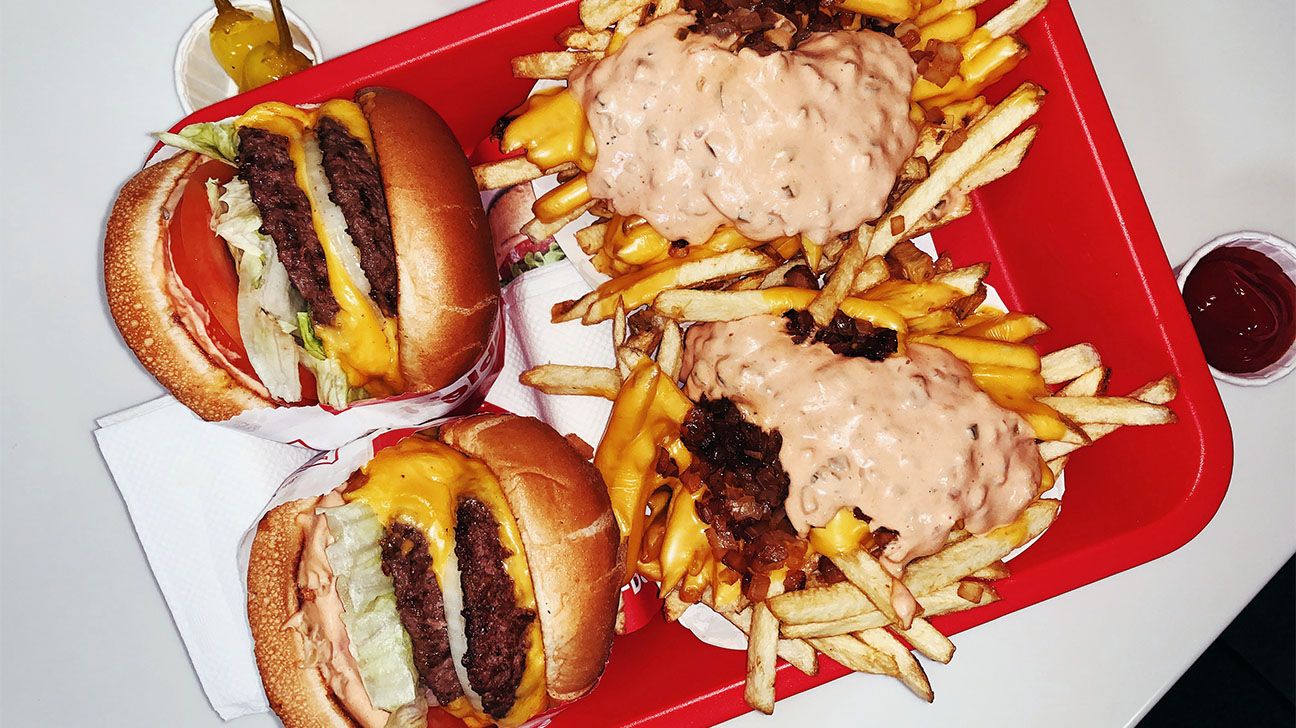
- One recent review determined that highly engineered consumables could be as addictive as tobacco products.
- Scientists observed that these foods are designed to boost pleasure and speed up the absorption of rewarding components.
- The “addictive” property of such products implies they fuel compulsive consumption and hinder natural hunger cues.
- The review authors propose that ultraprocessed foods ought to be subject to regulations similar to those for cigarettes.
At present, there is no single agreed-upon description of UPFs. Some people describe them as products that include components you would not typically use in a home kitchen, like emulsifiers and artificial substances.
Many professionals rely on the NOVA system to classify ultraprocessed foods. This describes products that contain “formulations of components, primarily of manufacturing origin, often created by a range of industrial techniques and methods.”
One new review published in The Millbank Quarterly indicated that UPFs could be just as habit-forming as tobacco products.
“It is my view with this study, as ultra-processed foods are specifically engineered to be highly appealing to most individuals,” noted a weight loss specialist independent from the research.
Research from last year suggests that more than 73% of the food supply in the US is classified as ultraprocessed.
“Cigarettes and UPFs are not simply natural products but highly engineered delivery systems created purposely to increase biological and psychological reward and repeated intake,” wrote the review’s authors.
Are Ultraprocessed Foods Addictive?
The review combined insights from addiction, public health history, and nutrition to identify textural and compositional qualities that boost the reinforcing potential of both cigarettes and ultraprocessed foods.
“It’s not all people is ‘addicted’’ to such products, but for a meaningful minority, they elicit classic addiction-like behaviors: intense desires, inability to stop, and continued use despite negative health effects,” said a preventive cardiology dietitian.
“These foods are intentionally designed with refined carbs, extra oils, sodium, and taste additives to optimize reward and repeat consumption, and the industry employs aggressive marketing tactics, particularly aimed at young people,” she continued.
The authors analyzed five key areas:
- rapid absorption
- pleasure-based design, or designing foods to be extremely pleasurable
- dose optimization
- environmental ubiquity
- misleading changes, or “health washing”
They found that, similar to cigarettes, ultraprocessed foods are carefully calibrated to provide the right dose of sweetness.
“Refined carbohydrates trigger dopamine production via the a key neural pathway, whereas lipids do so via intestinal lipid sensing,” the authors noted.
“… UPFs with significant amounts of refined carbohydrates and added fats are some of the most strongly reinforcing foods in the modern diet. Notably this refined carbohydrate-fat mix is almost nonexistent in whole foods.”
How such products rapidly deliver “feel-good” chemicals to the brain renders them likely habit-forming, similarly to tobacco.
The paper stated that while tobacco are engineered to provide the addictive compound quickly, ultraprocessed foods are formulated to be broken down and absorbed quickly, as they usually have little to no fiber. This makes it easier for the body to process lipids and carbohydrates faster.
Authors also note that UPFs provide deliberate flavor bursts that fade quickly and textures that dissolve easily. This all helps to deliver more dopamine and encourages individuals to consume additional amounts.
‘Health Washing’ in Tobacco, UPFs
Based on the analysis, both the cigarette and food sectors have historically employed a tactic called “wellness branding.”
This refers to when products are marketed and altered to create an perception of less danger while preserving the core of their qualities.
This tactic in the tobacco industry became popular in the mid-20th century with the advent of filters on smokes.
These were marketed as safety features that would catch harmful substances prior to they reached the respiratory system. Actually, these tips offer little meaningful benefit.
However, people typically adjusted by taking bigger puffs or smoking more frequently, which negated any reduction in harmful intake.
The food industry has adopted a similar strategy. It employs labels like “reduced fat” or “sugar-free” to promote UPFs.
Yet, these foods still contain the same highly reinforcing formulations. The issue is that these changes offer a surface-level impression of wellness while the item’s habit-forming nature and health risks remain intact.
Should UPFs Be Regulated?
The researchers noted at the end of their review that nourishment and tobacco are fundamentally different.
Still, they warned that certain UPFs act like highly optimized consumables rather than actual food. They proposed that public health policy should reflect this distinction.
“Tobacco offers a cautionary tale, and smoking regulations offers a source of potential,” the authors wrote.
Because of regulations, smoking levels in the United States have fallen and have “altered public perception of smoking and diminished confidence in the industry.”
“It is my opinion increased awareness about the harmful effects of ultra-processed foods is crucial to reduce general consumption and improve public health. The approaches used to reduce cigarette consumption have been successful and could be a helpful model for ultra-processed foods as well,” said one expert.
“I don’t think ultraprocessed foods should be regulated precisely as cigarettes, but they certainly deserve more robust, smoking policy-based measures: marketing restrictions, obvious packaging warnings, tighter standards on health claims, and restrictions in educational institutions or medical facilities,” added another dietitian.
The researchers reminded people that minimally processed and unprocessed foods have sustained human health for millennia.


